13 Jun
A Guide for Eid ul-Adha!
Eid ul-Adha, also known as the Festival of Sacrifice, is a significant occasion for Muslims around the world. It is a time of prayer, charity, and feasting, where red meat plays a central role in the celebrations. As a nutritionist, I understand the importance of making informed choices about the meat we consume, especially during festive times. This guide will help you navigate red meat labels and claims, and provide insights into healthier cuts and preparation methods to enjoy your Eid ul-Adha feast while minimizing health risks.
Understanding Meat Labels and Claims
When shopping for red meat, you’ll encounter various labels and claims. Here’s a breakdown of what some of these terms mean:
1. Grass-Fed
This label indicates that the animal was primarily fed grass rather than grains. Grass-fed meat is often leaner and may have higher levels of omega-3 fatty acids compared to grain-fed meat. 1,2
2. Organic
Organic meat comes from animals that have been raised without the use of synthetic hormones, antibiotics, or genetically modified organisms (GMOs). Organic farming practices are designed to promote animal welfare and environmental sustainability. 1
3. Certified Halal
This ensures that the meat has been processed according to Islamic dietary laws, including humane slaughtering practices.

4. Kosher Certified
This label signifies that the meat has been prepared in accordance with Jewish dietary laws and standards of cleanliness, including specific rituals for slaughter and preparation. 4,5
5. Lean
Lean meat contains less fat, specifically less than 10 grams of total fat, 4.5 grams or less of saturated fat, and less than 95 milligrams of cholesterol per 100 grams.
7. Hormone-Free
You might see “hormone-free” on egg cartons, but good thing is all eggs in the U.S. are hormone-free by law. The use of hormones in poultry farming has been banned for decades, so this label is mostly for marketing. 5
6. Extra Lean
Extra lean meat contains even less fat, with less than 5 grams of total fat, 2 grams or less of saturated fat, and less than 95 milligrams of cholesterol per 100 grams.

Choosing Healthier Cuts of Red Meat
While red meat can be a nutritious part of your diet, certain cuts are better than others for reducing the risks of weight gain, heart issues, and other health concerns. Here are some tips for selecting healthier cuts:
1. Opt. for Lean Cuts
Choose cuts like tenderloin, sirloin, or round steaks, which have less fat compared to other parts of the animal. These cuts are flavorful yet lower in calories and saturated fat.
3. Consider Portion Sizes
Be mindful of portion sizes. A serving size of meat is typically around 3-4 ounces, roughly the size of a deck of cards. This helps control calorie intake and supports balanced eating.
2.Trim the Fat
Before cooking, trim any visible fat from the meat. This simple step can significantly reduce the amount of saturated fat in your meal.
4. Prefer Ground Meat with Lower Fat Content
If using ground meat, opt for those labeled as 90% lean or higher. These options have less fat and are suitable for a variety of dishes.
5. Incorporate Variety
Alongside red meat, include other protein sources like fish, poultry, legumes, and plant-based proteins. This not only diversifies your diet but also balances nutrient intake
Healthier Cooking Methods
How you cook your meat can also impact its health benefits. Here are some healthier cooking methods to consider:
1. Grilling or Broiling
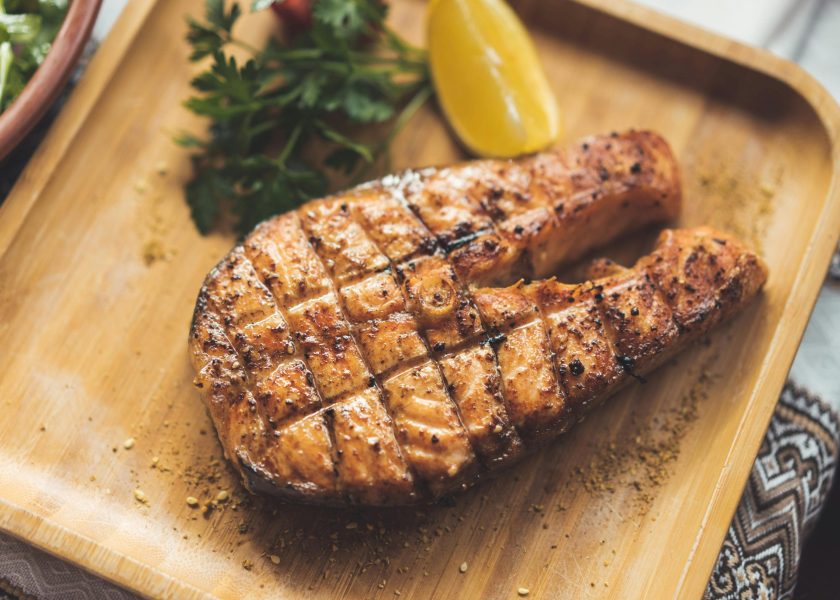
These methods allow fat to drip away from the meat, reducing overall fat content. Just be mindful of charring, which can produce harmful compounds.
3. Stewing or Braising
Cooking meat slowly in liquid helps retain moisture and can make leaner cuts more tender without adding excessive fat.
2. Baking or Roasting
Baking or roasting meat on a rack allows excess fat to drain away, similar to grilling.
4. Avoid Frying
Frying can add unnecessary fat and calories. If you must fry, use healthy oils in moderation and avoid deep-frying.
Enjoying Eid ul-Adha Mindfully
Eid ul-Adha is a time of joy and togetherness, and enjoying traditional foods is part of the celebration. Here are a few tips to help you enjoy your feast mindfully:
1. Balance Your Plate
Fill half your plate with vegetables, a quarter with lean protein, and a quarter with whole grains. This approach ensures a balanced and nutritious meal.
3. Practice Portion Control
Savor your food and listen to your body’s hunger and fullness cues. Eating slowly can help you recognize when you’re satisfied.
2. Stay Hydrated
Drink plenty of water throughout the day. Sometimes thirst is mistaken for hunger, leading to overeating.
4. Include Physical Activity
Incorporate physical activities like walking to the Masjid or playing sports with family and friends. This not only supports digestion but also adds to the festive spirit.
Eid ul-Adha is a time to celebrate with family, friends, and delicious food. By understanding meat labels and making informed choices about cuts and cooking methods, you can enjoy your festive meals while maintaining your health. Remember, moderation and balance are key to a healthy and enjoyable Eid!
Lamb Seekh Kebabs with Veggies

Ingredients
- 1 lb lean ground lamb
- 1 small onion, finely chopped
- 3 garlic cloves, minced
- 1 inch piece ginger, grated
- Fresh cilantro and mint, chopped
- 1 green chili, finely chopped (optional)
- 1 tsp each: ground cumin, coriander, garam masala
- 1/2 tsp paprika
- Salt, pepper, and juice of 1/2 lemon
Instructions
- Combine all kebab ingredients in a bowl.
- Form into 8 cylindrical kebabs around skewers.
- Preheat grill to medium-high and cook kebabs for 10-12 minutes, turning occasionally.
- Enjoy with pita, greens, and yogurt sauce.
!عید کی خوشیاں آپ سب کو مبارک ہو
Nutritional Information
Serving Size: 2 kebabs
Calories per Serving: Approximately 250 calories (excluding pita and sauce)
REFERENCES
1. Smith, J. A., & Johnson, B. C. (2018). Understanding consumer perceptions of "certified organic" meat labels.
2. Wang, L., & Lee, H. Y. (2019). Impact of "grass-fed" and "organic" meat labels on consumer perceptions: A conjoint analysis.
3. Brown, E., & Miller, S. A. (2017). The influence of "natural" and "hormone-free" meat labels on consumer perceptions: A qualitative study.
4. Chang, J. M., & Lee, S. Y. (2020). Examining consumer attitudes towards "organic" and "free-range" meat labels: A survey-based study.
5. Johnson, K. L., & Smith, M. B. (2019). Consumer understanding and trust in "humanely raised" meat labels: An experimental study.