14 Apr
In a world where “clean eating” is idealized and diet trends dominate social media, many people feel confused and overwhelmed. While the health industry claims to promote well-being, it often leaves you feeling like you’re not doing enough unless you eat or look a certain way.
As a clinical nutritionist, I want to clear up some common myths and help you feel more confident around food and health.
Food Isn’t Good or Bad!
Labeling food as “good” or “bad” creates unnecessary guilt and can harm your relationship with eating. Studies show that assigning moral value to food increases anxiety and restrictiveness, especially in women. (1)
For example, saying things like “I was bad today, I had cake” or “I’m being good by skipping dinner” may seem harmless, but they reinforce the idea that our food choices determine our worth. Over time, this can lead to feelings of failure, binge-restrict cycles, and low self-esteem.
If you’re a mother, your relationship with food becomes a powerful model for your children. Instead of saying, “No sweets, they’re bad for you,” try,
“Sweet foods are something we enjoy sometimes, but they don’t give us the same energy or nutrients as other foods.”
This teaches balance and does add not fear.
Helping children develop a positive relationship with all foods can reduce the risk of disordered eating and promote a healthier mindset for life.


The Problem With Conflicting Advice
From detox teas to restrictive plans, health advice online is often contradictory. One post says “no dieting,” and the next promotes a 7-day reset. You’re told to avoid foods with long ingredient lists, yet sold expensive supplements with names you can’t pronounce.
Here's what you really need to know 👇🏼
- Your body detoxes naturally through the liver and kidneys. (2)
- Lemon water is refreshing but not a detoxifier.
- Gluten is only problematic if you have celiac disease or intolerance. (3)
- Carbs are the brain’s preferred source of energy. (4)
- Fruit is healthy. It contains natural sugar with fiber and antioxidants. (4)
- No food “burns fat” That’s a myth.
- Intermittent fasting works best if it suits your routine.
Red flags to look out for 👇🏼
- Promises quick weight loss or “cleansing”
- Links health only to weight or appearance
- Comes from influencers without medical training
- Uses entertainment platforms like Netflix as nutrition references
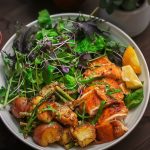
Crispy Bhindi
💡 A healthy lifestyle doesn’t mean giving up your favorite foods, it’s about making better choices in the right amounts, at the right time.
“!ڈائٹنگ نہیں، متوازن غذا اپنائیں اور صحت مند رہیں”

Ingredients
1 cup bhindi (okra), sliced lengthwise
1 tsp oil
½ tsp turmeric
½ tsp coriander powder
½ tsp amchoor or chaat masala
Salt to taste
Instructions
Pat bhindi dry (very important).
Toss with oil and spices.
Air fry at 190°C (375°F) for 10–12 minutes until crisp, shaking the basket halfway.
Nutritional Information
Calories: Approximately 90 calories.
Servings: This recipe makes 1 serving.
Cherish the richness of our desi heritage while embracing the best of nutrition science!
References:
- Klein, A. V., & Kiat, H. (2015). Detox diets for toxin elimination and weight management: A critical review of the evidence. Journal of Human Nutrition and Dietetics, 28(6), 675–686.
- Catassi, C., Elli, L., Bonaz, B., Bouma, G., Carroccio, A., Castillejo, G., … & Zevallos, V. (2015). Non-celiac gluten sensitivity: The new frontier of gluten related disorders. Nutrients, 7(3), 8733–8756.
- Gibson, R. S., & Manger, M. S. (2015). Carbohydrates and mental function: Feeding or impeding the brain? Nutrition Bulletin, 40(2), 113–121.
- Drewnowski, A., & Rehm, C. D. (2015). Consumption of added sugars among US children and adults by food purchase location and food source. The American Journal of Clinical Nutrition, 100(3), 901–907.
- Hall, K. D., Bemis, T., Brychta, R., Chen, K. Y., Courville, A., Crayner, E. J., … & Zhou, M. (2015). Calorie for calorie, dietary fat restriction results in more body fat loss than carbohydrate restriction in people with obesity. Cell Metabolism, 22(3), 427–436