25 Nov
The Science Behind Quantity, Frequency, and Caloric Density
In today’s world, nutrition advice is everywhere, often wrapped in myths and misconceptions. One common belief I’ve encountered is that certain foods have the power to make us gain weight. This idea has led to the demonization of various foods and the rise of numerous fad diets. However, I’ve found that the truth is far more straightforward: it’s not about the food itself but how much we eat and how often. Let’s explore why no food can inherently make us fat and how our eating habits, particularly in cultures like Pakistan and among Asians living abroad, play a crucial role in weight management.
Quantity Over Quality
When it comes to weight gain, it all boils down to the basic principle of calories in versus calories out. Consuming more calories than our bodies need, regardless of whether those calories come from carbohydrates, fats, or proteins, will lead to weight gain. This concept applies universally, across all cultures and dietary preferences. Research consistently shows that the total caloric intake is the key factor in weight management (1).

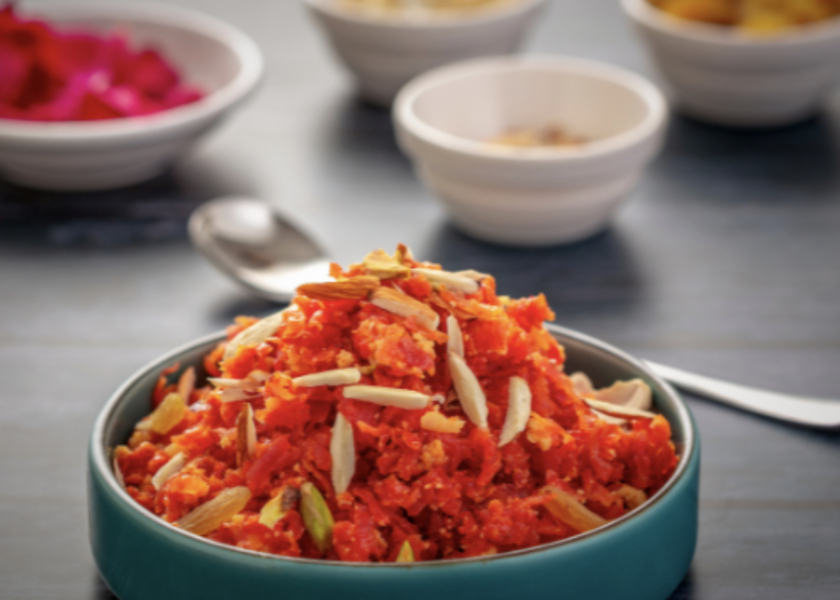
In places like Pakistan, where one may often enjoy traditional meals, the dishes are rich and flavorful, which can lead to overeating. Dishes like biryani, nihari, and halwa are delicious but also high in calories. While these foods are an integral part of our cultural heritage and should be enjoyed, I’ve learned that portion control is essential. Eating large quantities of any food, even healthy ones, can lead to weight gain if our caloric intake exceeds our body’s energy needs.
Frequency Matters
Another critical aspect of weight management is the frequency of meals and snacks. In my experience with many Asian cultures, including my own in Pakistan, meal times are social events, often involving family and community gatherings. This communal approach to eating can sometimes lead to overindulgence, especially when food is abundant and shared generously.
Additionally, living abroad, I’ve noticed that adopting Western eating patterns, which often include frequent snacking, can disrupt our body’s natural hunger cues and make it harder to maintain a healthy weight. Multiple researches including a 2010 study, has shown that eating multiple small meals or snacks throughout the day does not necessarily boost metabolism or aid in weight loss if total caloric intake is not managed (2). It’s more important for you to listen to your body’s hunger cues and eat when you genuinely are hungry rather than adhering to a fixed eating schedule.
Caloric Density and Satisfaction
Caloric density refers to the number of calories in a given weight or volume of food. Foods high in fats and sugars tend to be more calorie-dense, meaning they pack a lot of calories into a small portion. Traditional Asian foods, like samosas, pakoras, and sweets, are delicious but often calorie-dense. While enjoying these foods in moderation is perfectly fine, I’ve found that balancing them with lower-calorie, nutrient-dense options like fruits, vegetables, and lean proteins is crucial.
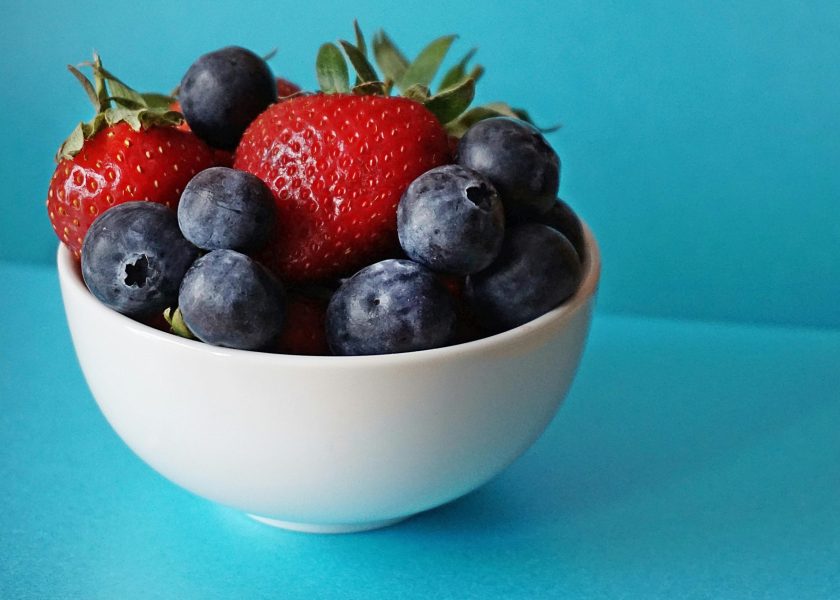
Studies have shown that reducing the caloric density of meals by increasing the proportion of fruits and vegetables can lead to greater weight loss and improved diet quality (3). By choosing foods that are high in nutrients but lower in calories, we can feel full and satisfied while managing our caloric intake more effectively.
Empowering Through Education
Breaking free from diet myths requires knowledge and education. Understanding the science behind weight management and challenging common misconceptions can empower us to make healthier choices. Instead of fearing specific foods, it’s essential to build a positive relationship with food—one that honors our cultural traditions while promoting balance and moderation.
For instance, many people mistakenly believe that eating fat makes you fat. However, dietary fat is an essential nutrient that supports various bodily functions. The key is to consume healthy fats, like those found in avocados, nuts, and olive oil, in moderation. Similarly, carbohydrates have been unfairly demonized in many diet trends. Carbs are a primary energy source for the body, and choosing whole, unprocessed carbs like whole grains, fruits, and vegetables is beneficial for health and weight management (4).
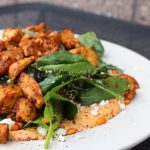
Chili Chicken Desi Style

INGREDIENTS
- 1 cup boneless chicken breast (200g)
- 1 tbsp Greek Yogurt
- 1 tsp ginger-garlic paste
- 1/2 tsp turmeric powder
- 1/2 tsp red chili powder
- Salt to taste
- 1/2 cup boiled rice
INSTRUCTIONS
- Mix chicken with yogurt, ginger-garlic paste, turmeric, chili powder, and salt. Marinate 30 mins.
- Cook chicken in a pan until done. Set aside.
- In the same pan, heat oil, sauté onion, add ginger-garlic paste and chilies. Add bell peppers, cook 2-3 mins. Add chicken, soy sauce, ketchup, chili sauce, and vinegar. Stir well.
- Garnish with cilantro, serve over rice.
Nutritional Information
Calories: 450-500 kcal per serving.
Servings: 1 plate (1 cup chicken + 1/2 cup cooked rice)
Cherish the richness of our desi heritage while embracing the best of nutrition science!
References
- Brown, A. W., Bohan Brown, M. M., & Allison, D. B. (2013). Belief beyond the evidence: Using the proposed effect of breakfast on obesity to show 2 practices that distort scientific evidence. The American Journal of Clinical Nutrition, 98(5), 1298-1308.
- Drewnowski, A., & Almiron-Roig, E. (2010). Human perceptions and preferences for fat-rich foods. In Montmayeur, J. P. & le Coutre, J. (Eds.), Fat Detection: Taste, Texture, and Post Ingestive Effects (pp. 265-290). CRC Press.
- Poti, J. M., Braga, B., & Qin, B. (2017). Ultra-processed food intake and obesity: What really matters for health—processing or nutrient content? Current Obesity Reports, 6(4), 420-431.
- Swinburn, B. A., Sacks, G., Hall, K. D., McPherson, K., Finegood, D. T., Moodie, M. L., & Gortmaker, S. L. (2011). The global obesity pandemic: Shaped by global drivers and local environments. The Lancet, 378(9793), 804-814.